MONSTROUS EARTH
{{research process}}
This page documents the research process behind Monstrous Earth: from analyzing earth imagery to proposing alternative framings. Method: Cultural and aesthetic analysis from Earth imagery 1960-present, examining how visual framing shapes cultural meaning, to identify gaps between intended impact (humility, planetary perspective) and actual cultural outcomes (continued mastery narratives, NewSpace expansion)
“We assign meaning and significance to narratives about ourselves by disguising them as tales of the sky”
what does the sky mirror?
Edwin Krupp, Astronomy Across CulturesThis project began from a fascination with the cosmos - the act of looking up to the stars, and the existential questions and narratives it stirs about our place in the universe. The central hope was to explore how such cosmic reflection might offer methods to move away from the extractive, exploitative logics that made this era the Anthropocene.
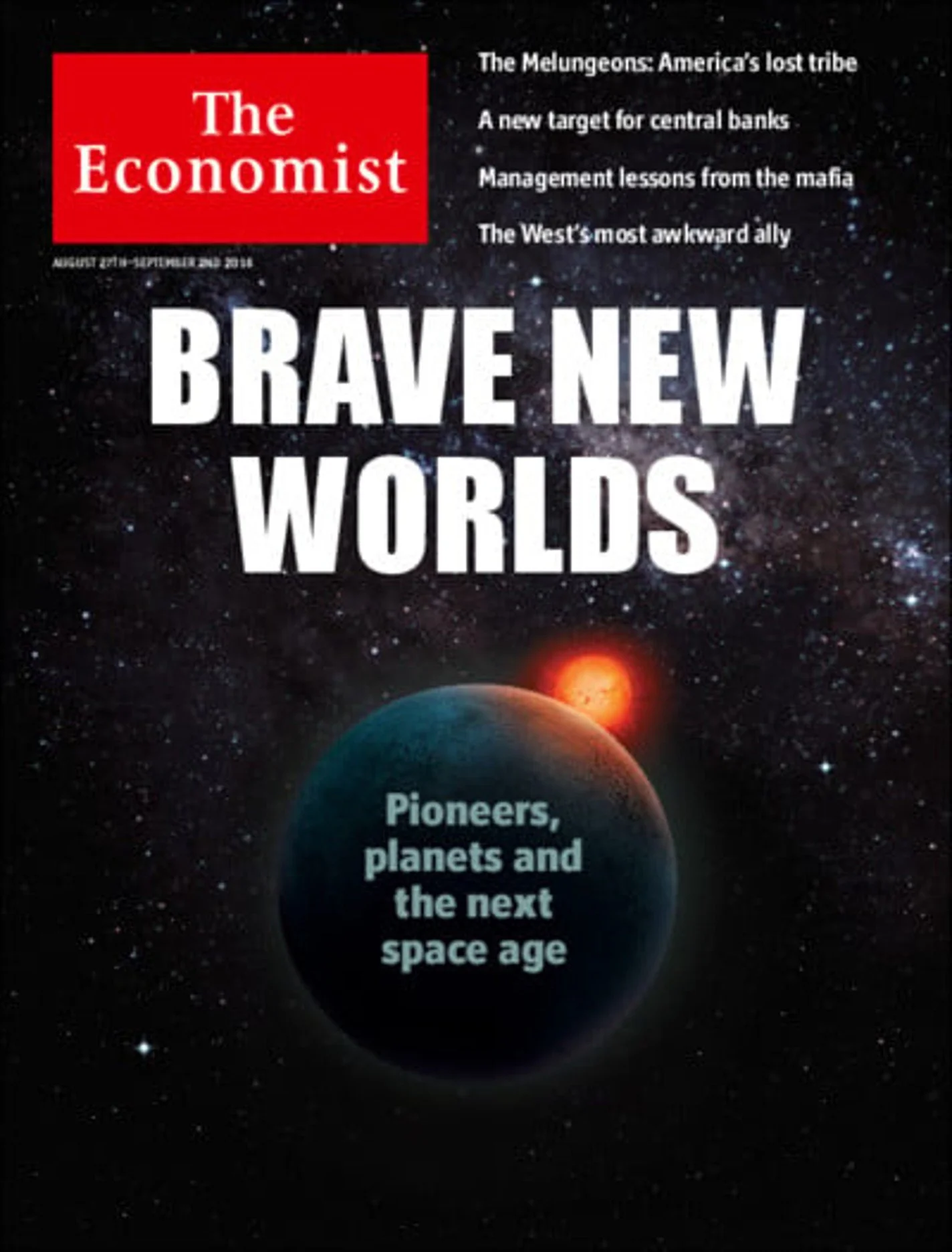
Contemporary Sky Tales
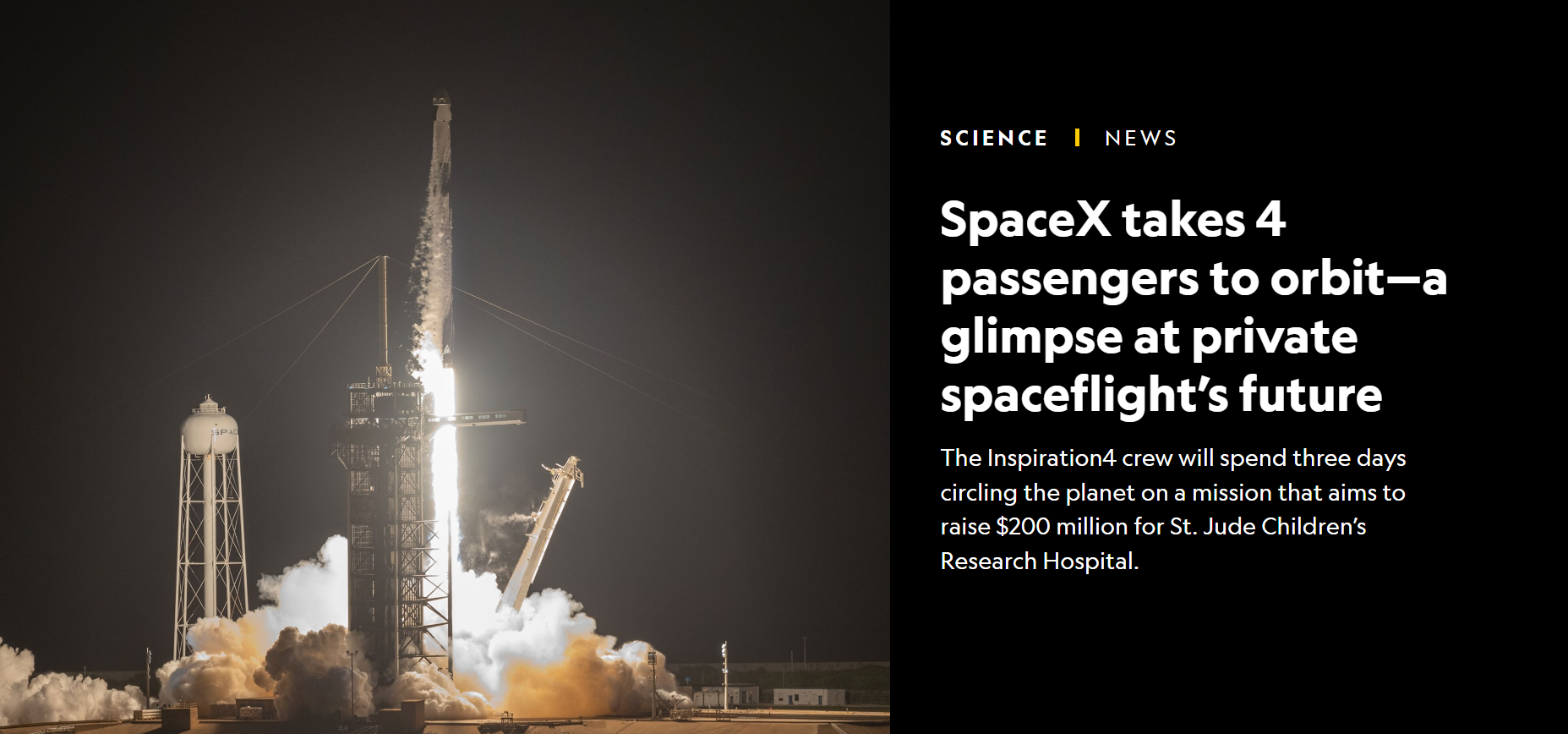
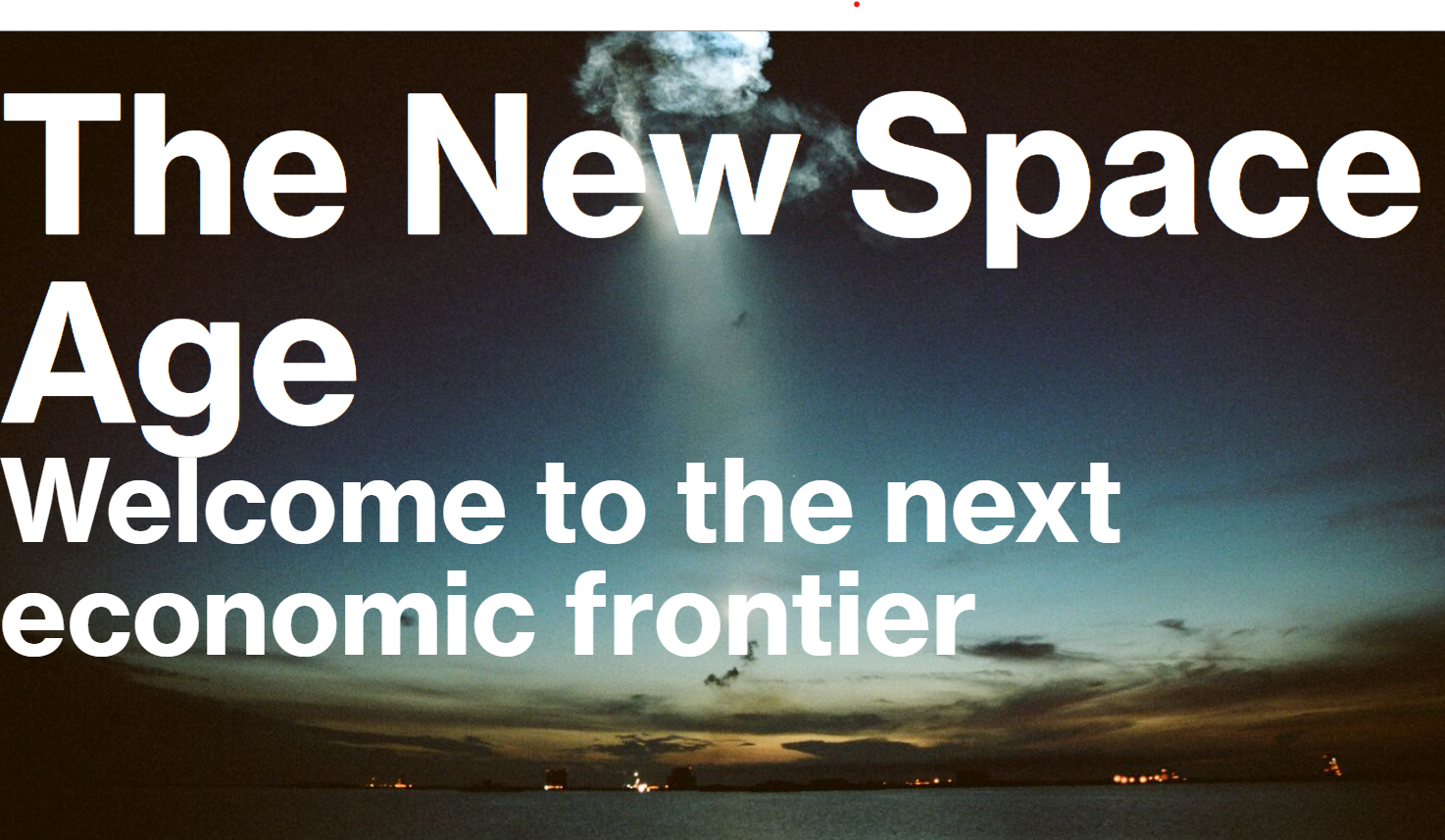
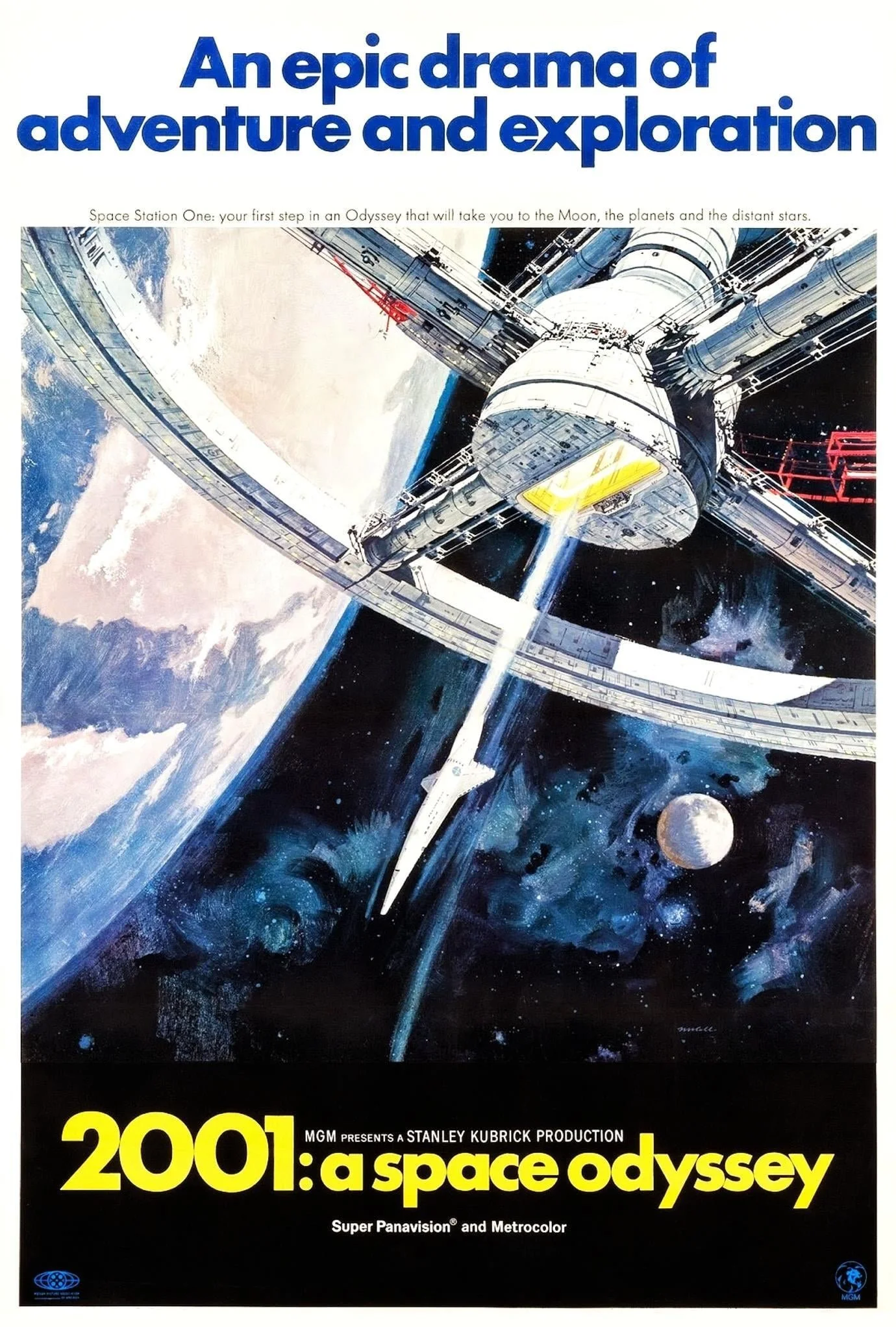
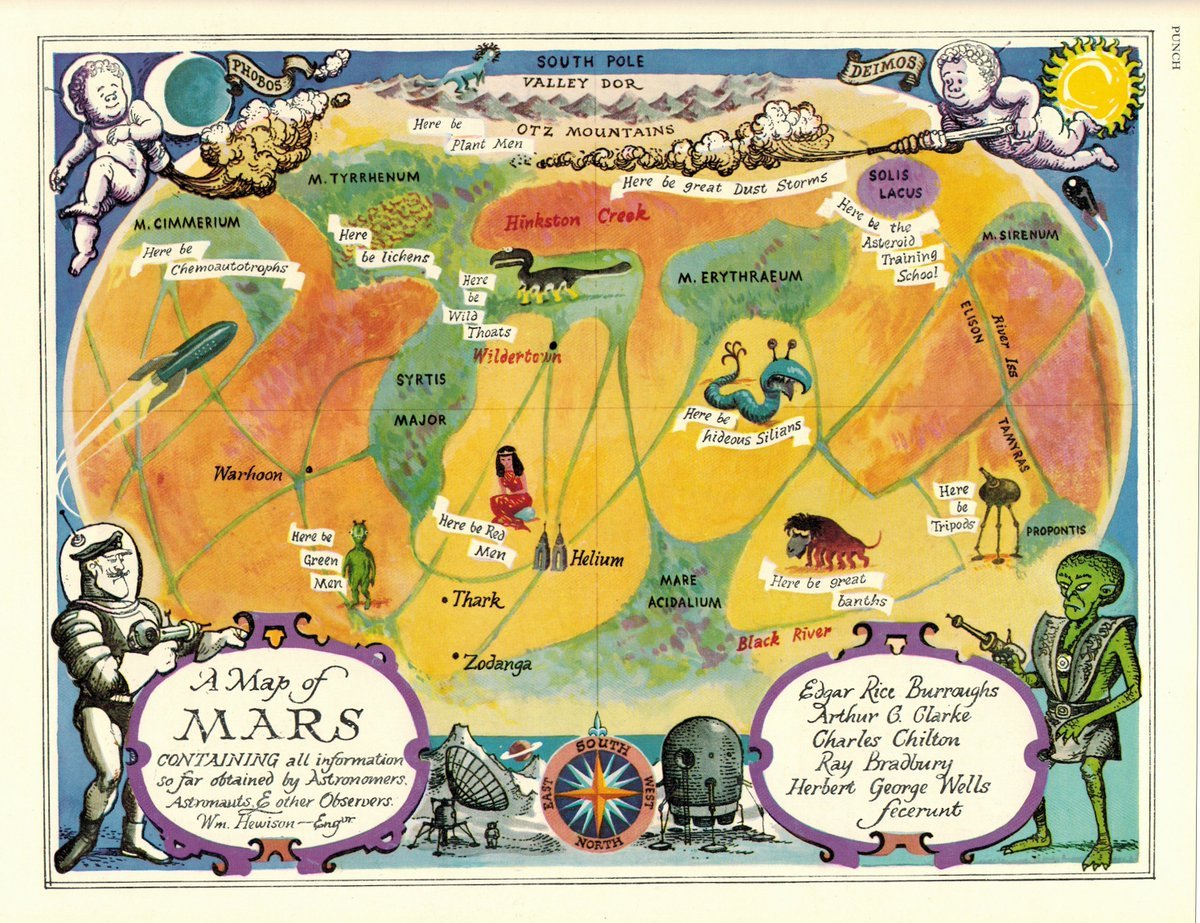
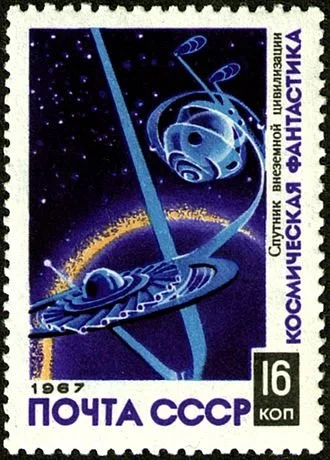
The dominant narratives around space exploration today echo the logics of capitalist modernity and colonial expansion. Outer space is framed as the next “frontier” to be “conquered” by the NewSpace industry as the project of extraction and domination, now projects outward.
Despite being steeped in ongoing ecological catastrophe, this desire to perpetuate exploitation, both on Earth and now beyond, persists, and that demands critical interrogation.
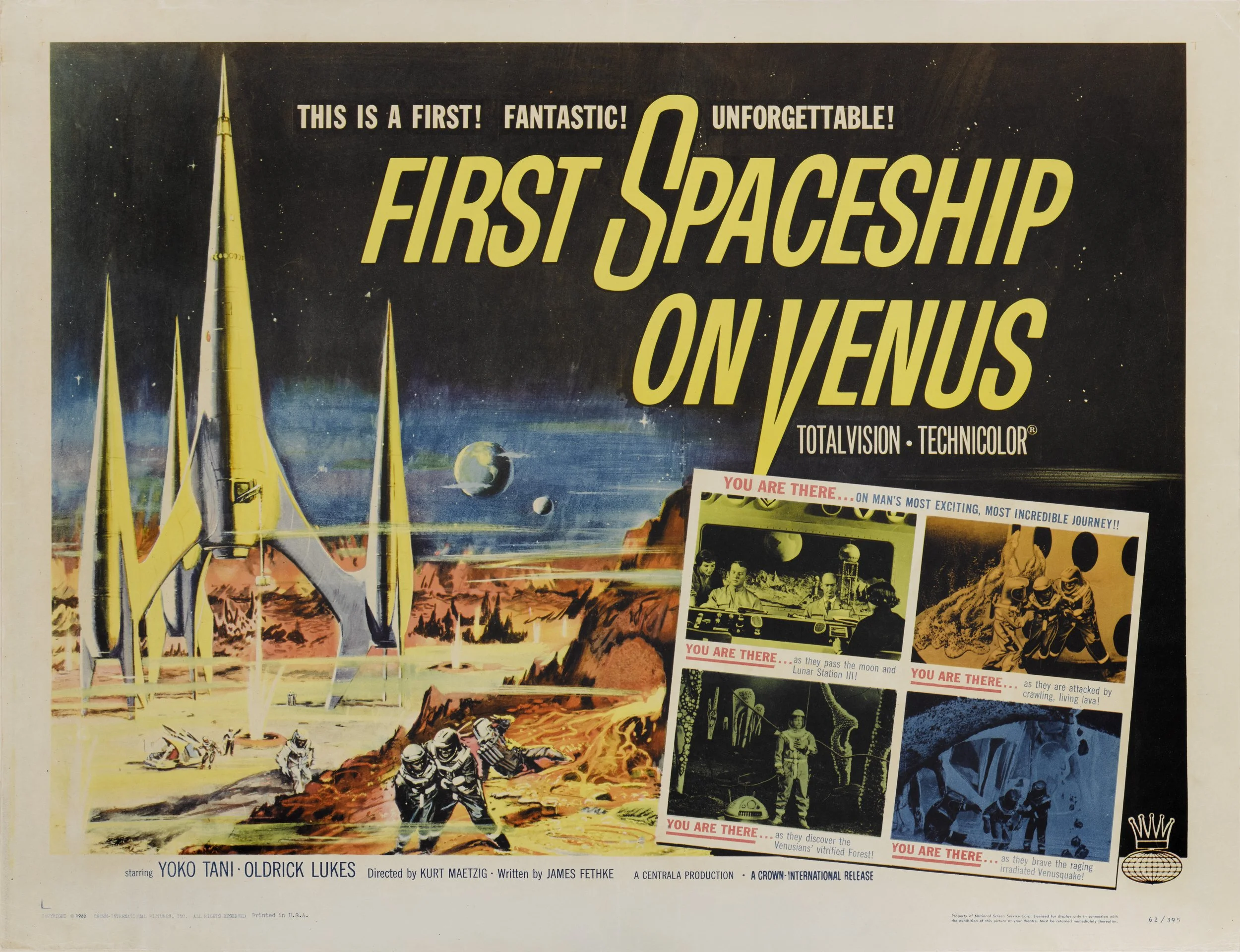
“The foundation of Western modernity and capitalism lies in the extraction of human life and the life of Earth and Earth beings.”
defining the modern gaze
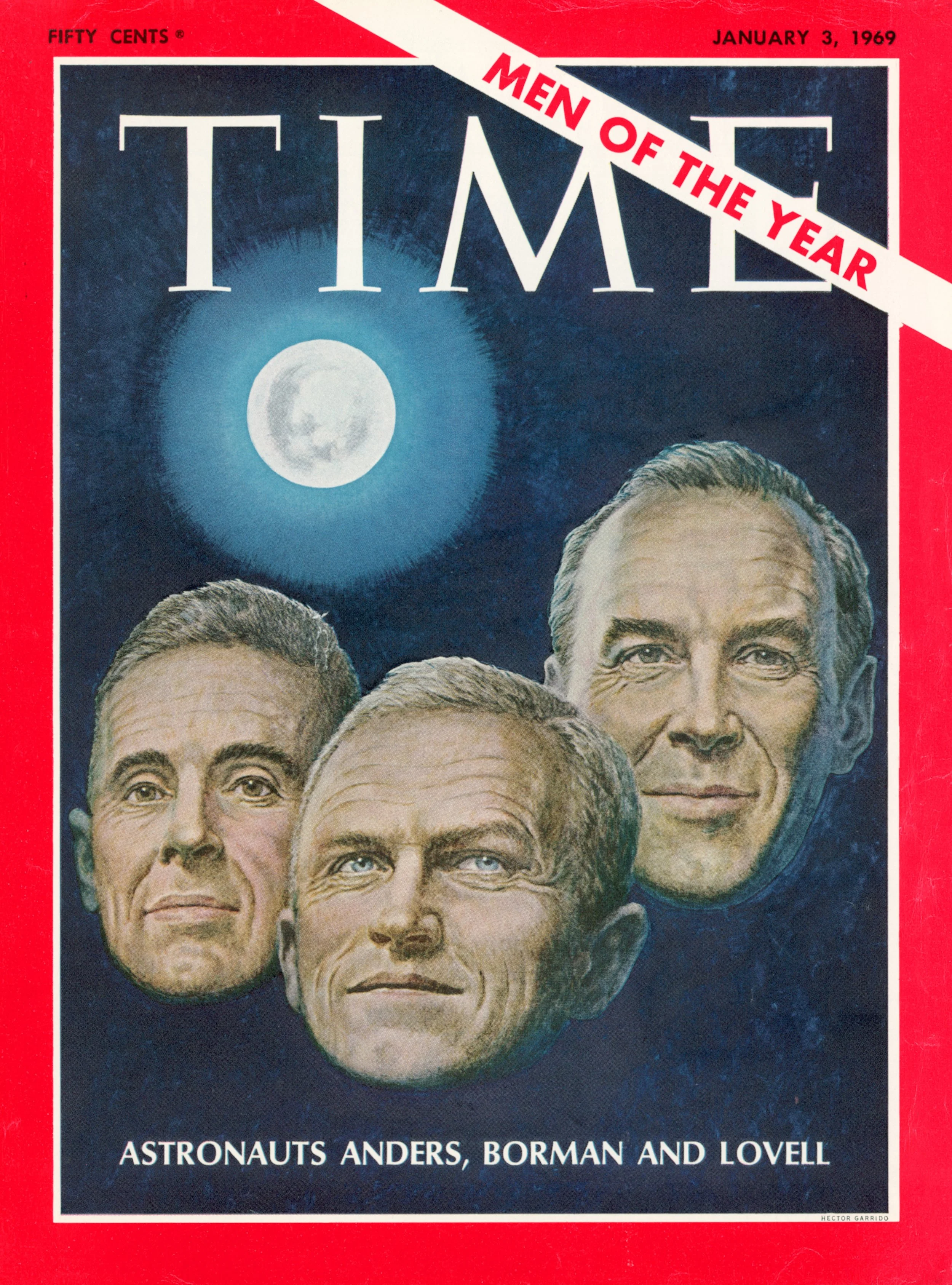
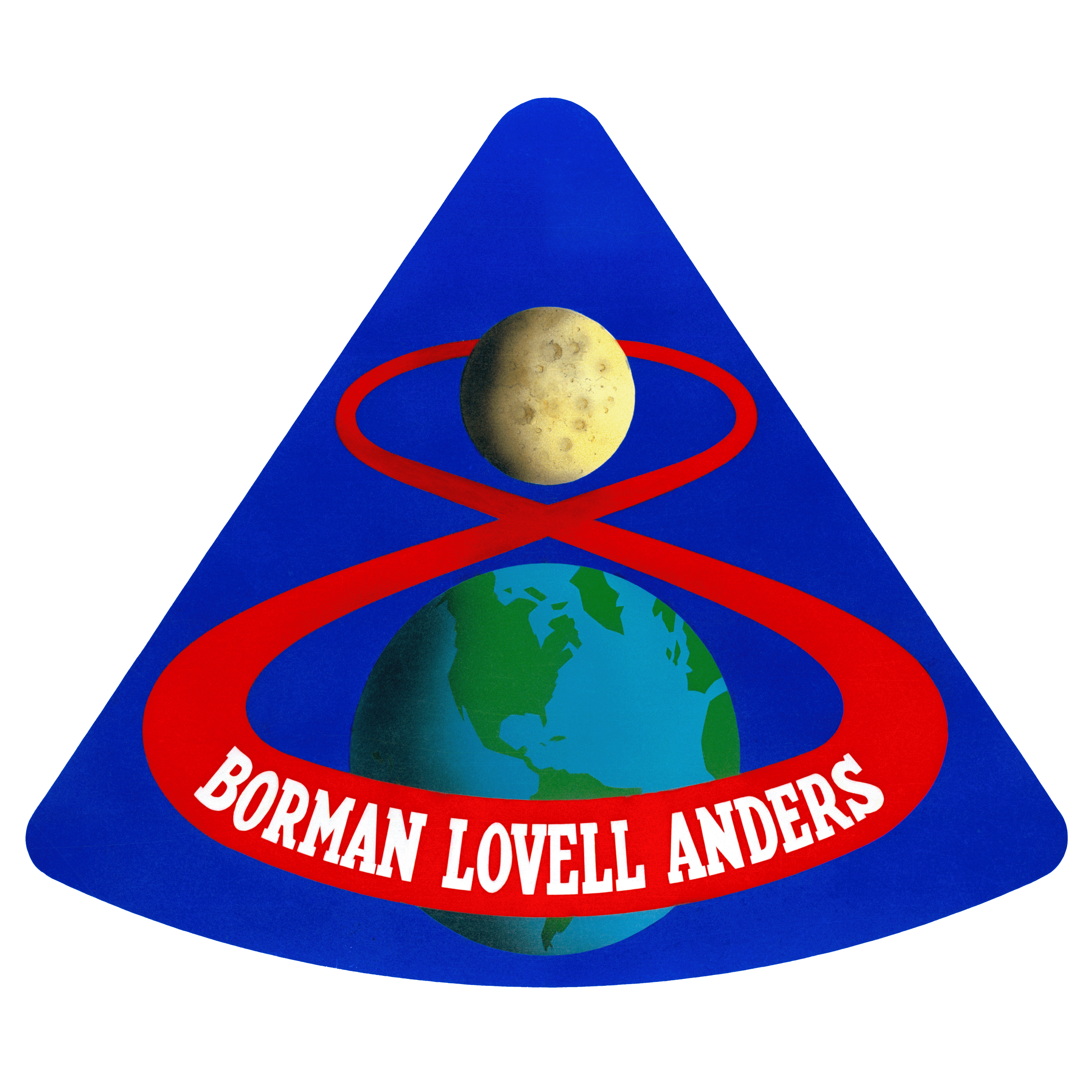
The NewSpace industry is the latest manifestation of the “modern gaze,” where the eyes become symbolic instruments of power: creating distance between the observer and the environment, thereby rendering the Earth knowable and ownable. To trace this gaze and its histories, I turned to the paradigmatic images that shaped the Western system of knowledge and a global imagination in the 20th and 21st centuries - Earthrise, Blue Marble, Pale Blue Dot, and M87.
Rolando Vasquez, Overcoming Modernity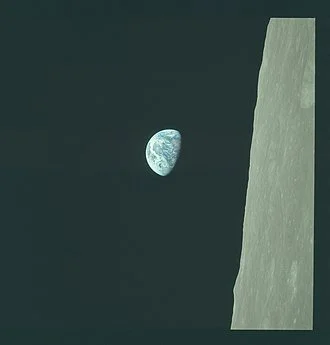
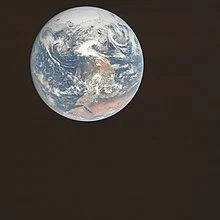
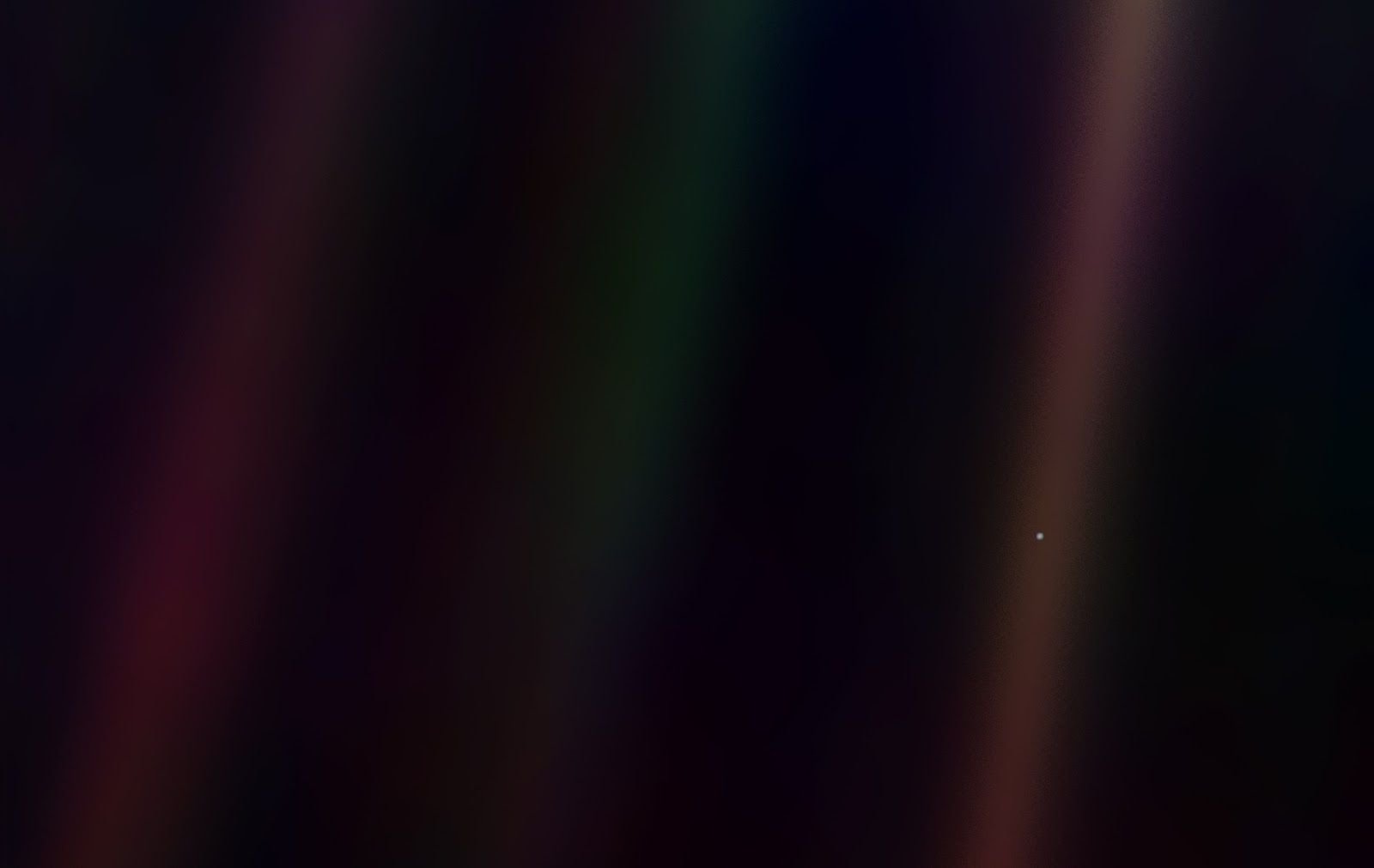
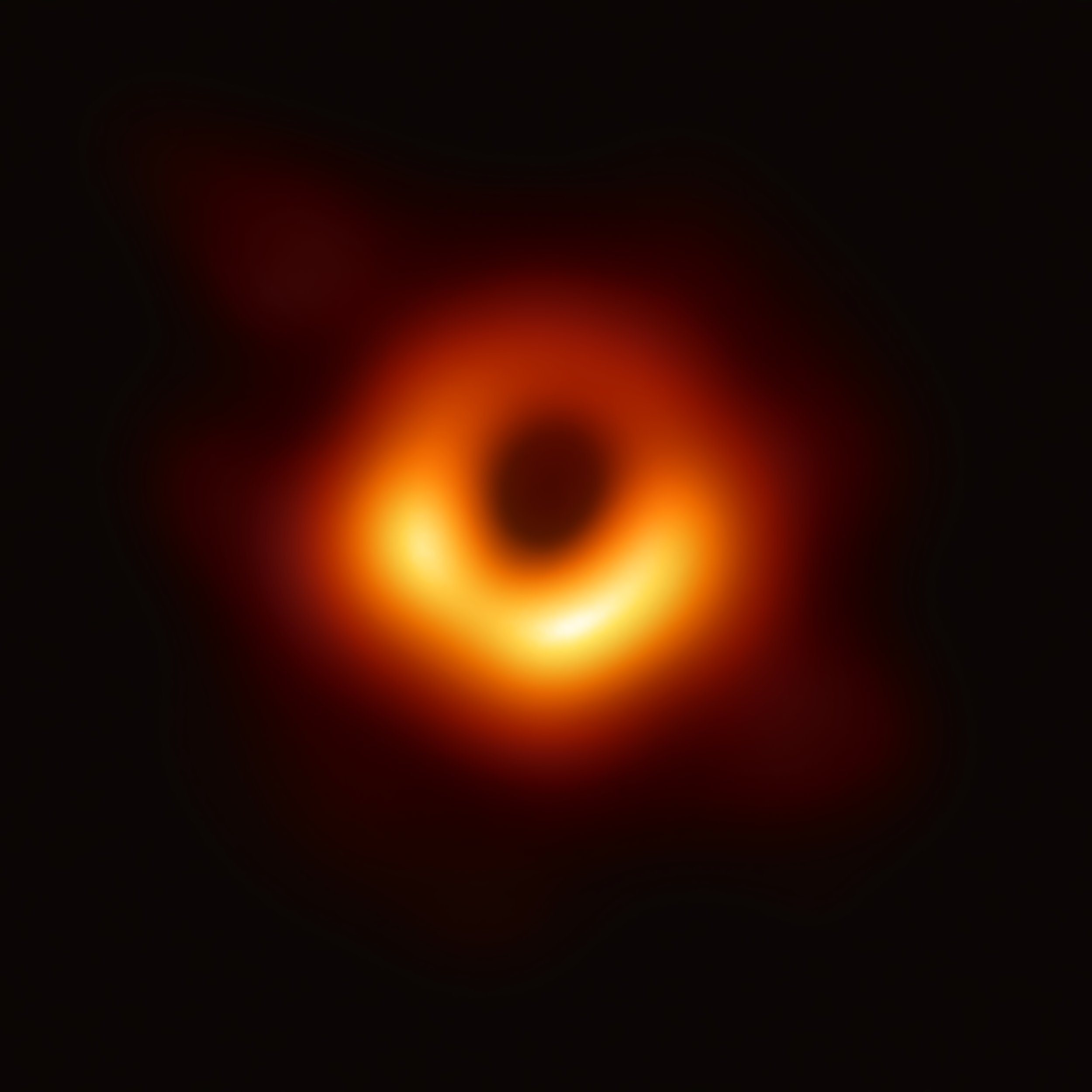
Reckoning and Collapse
“Once a photograph of the Earth, taken from outside, is available, we shall, in an emotional sense, acquire an additional dimension [...] Once the sheer isolation of the Earth becomes plain to every man, whatever his nationality or creed, a new idea as powerful as any in history will be let loose.”
Fred Hoyle, 1948Images of Earth from space profoundly reshaped collective imagination, even replacing the mushroom cloud with the planet as a symbol of unity. The view of Earth as “whole” and from the “outside” was anticipated to rupture human self-understanding, signaling a new collective orientation comparable to the decentering brought forth
by the Copernican, Darwinian, and Freudian revolutions.
And yet, the promised shift never arrived.
The same imperial logics persist; the same extractive systems endure.
If these images carried the potential to change us, why didn’t they?
Whole Earth Myth

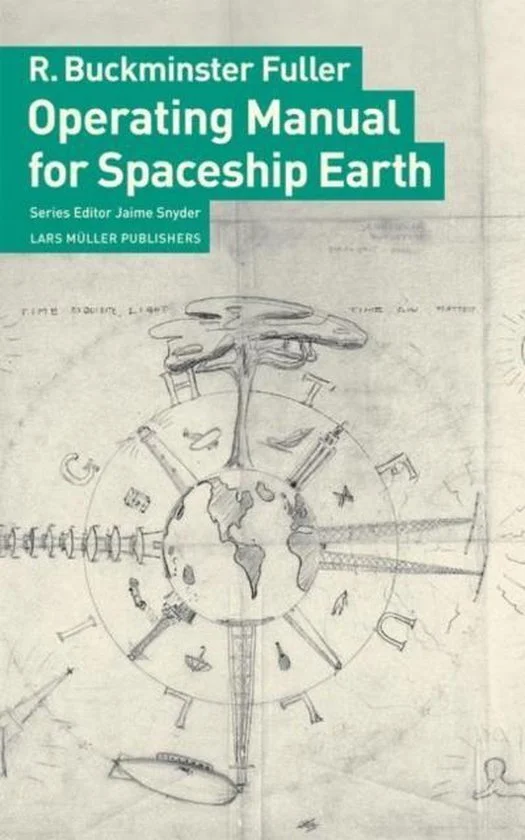
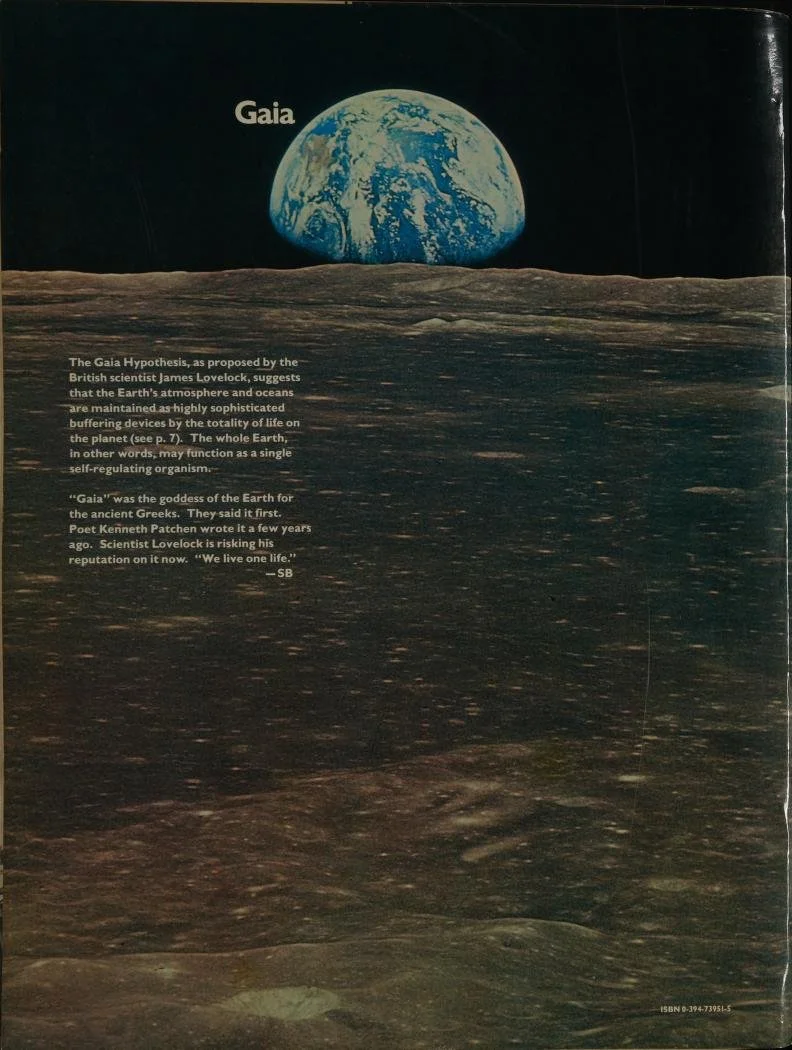
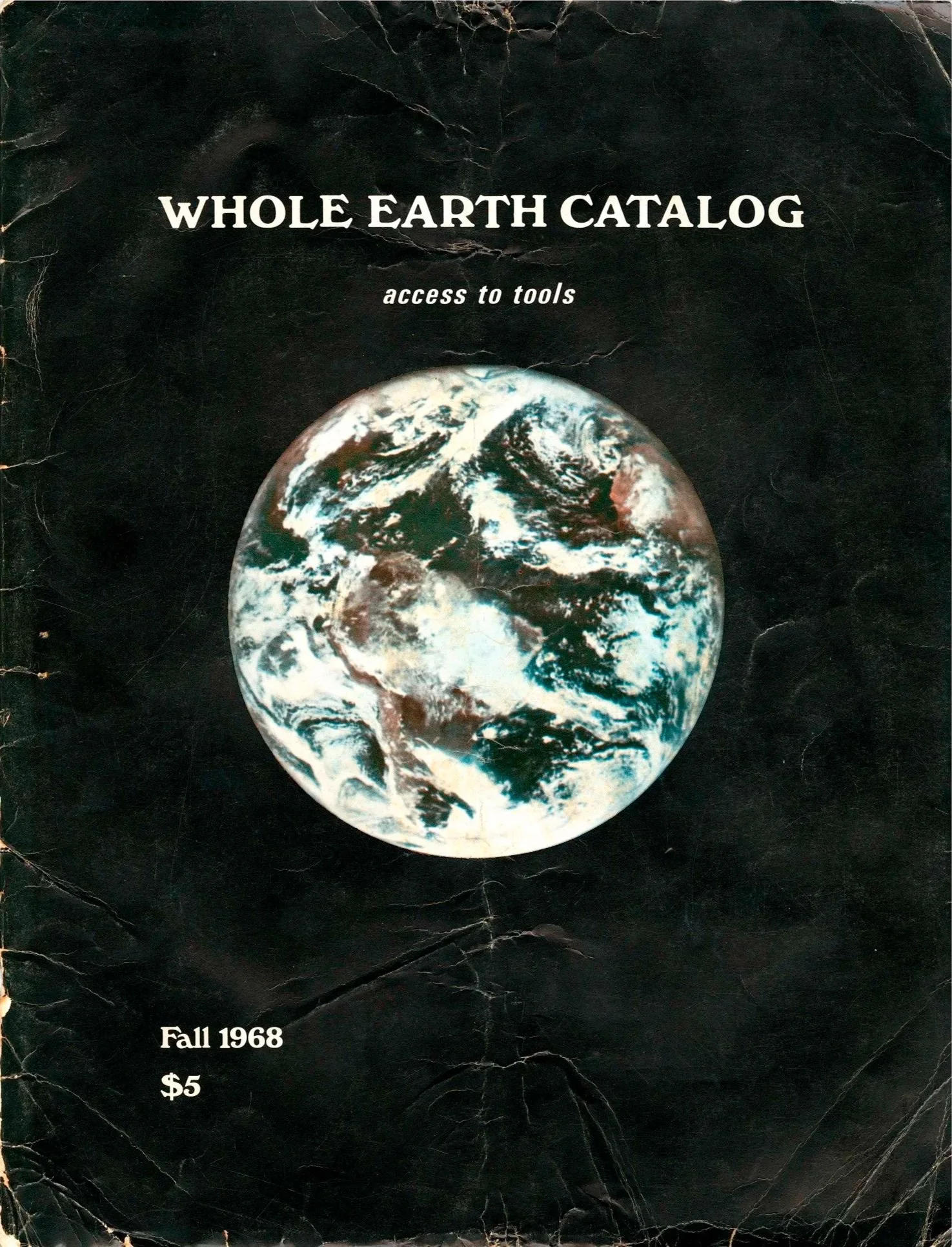
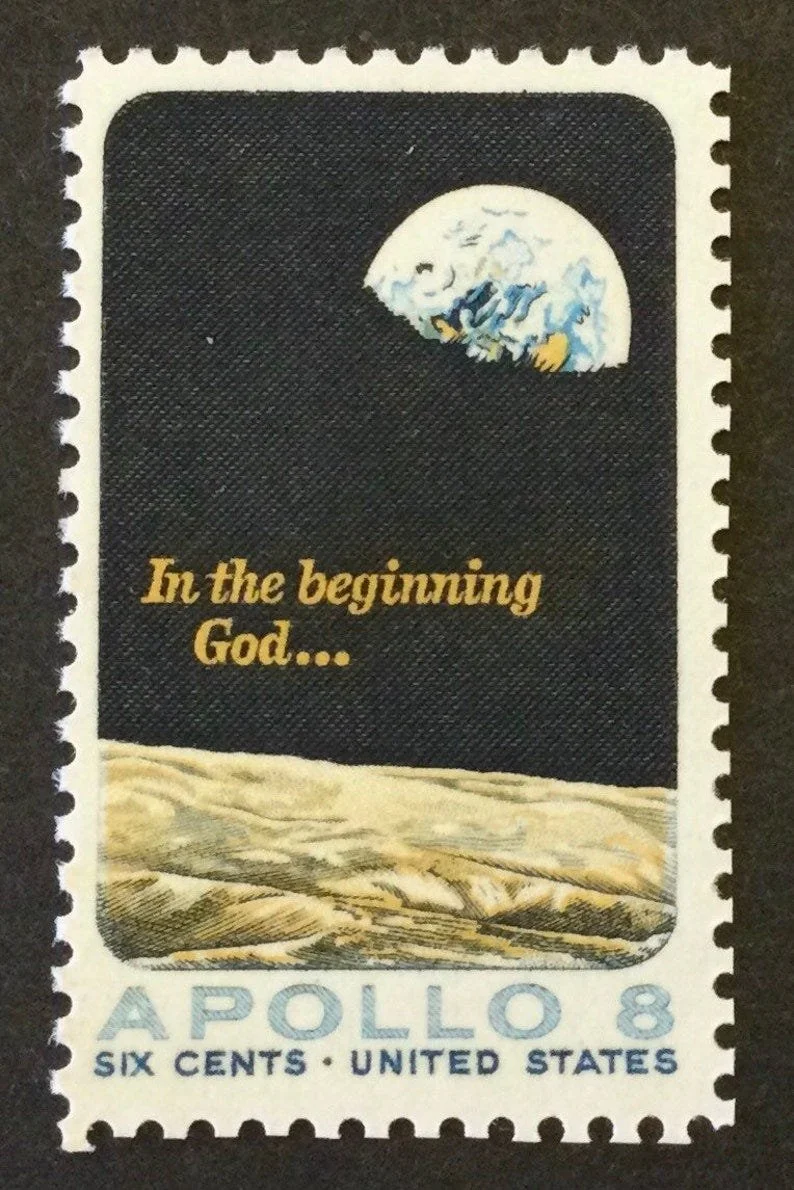
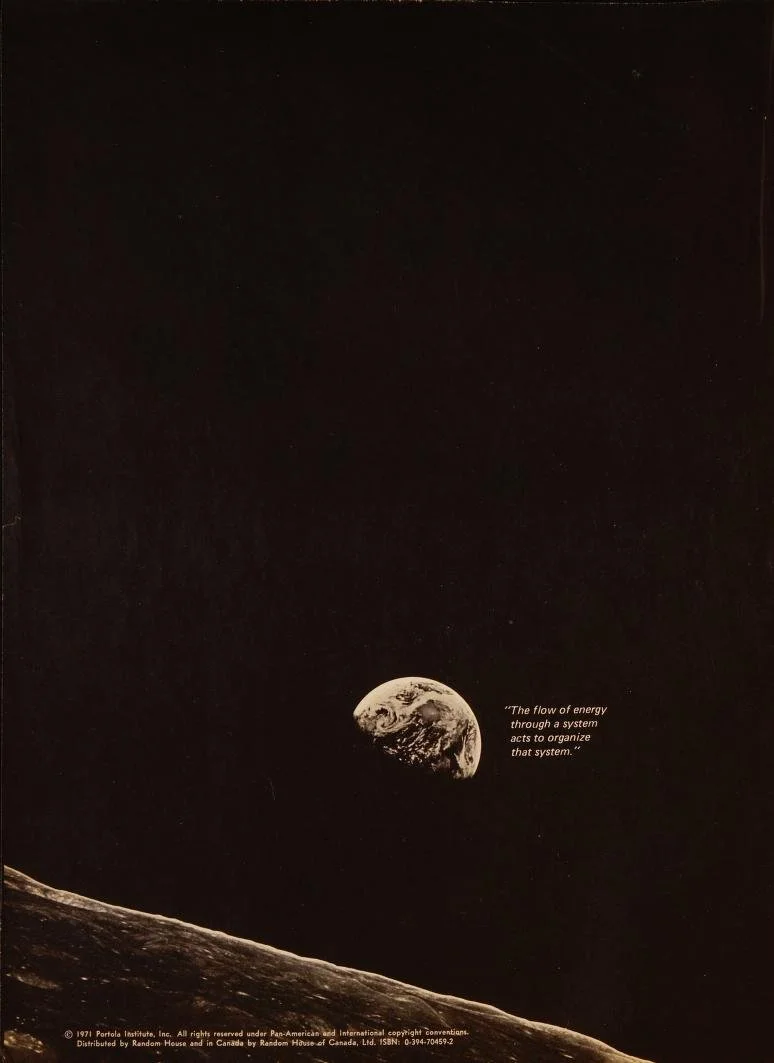
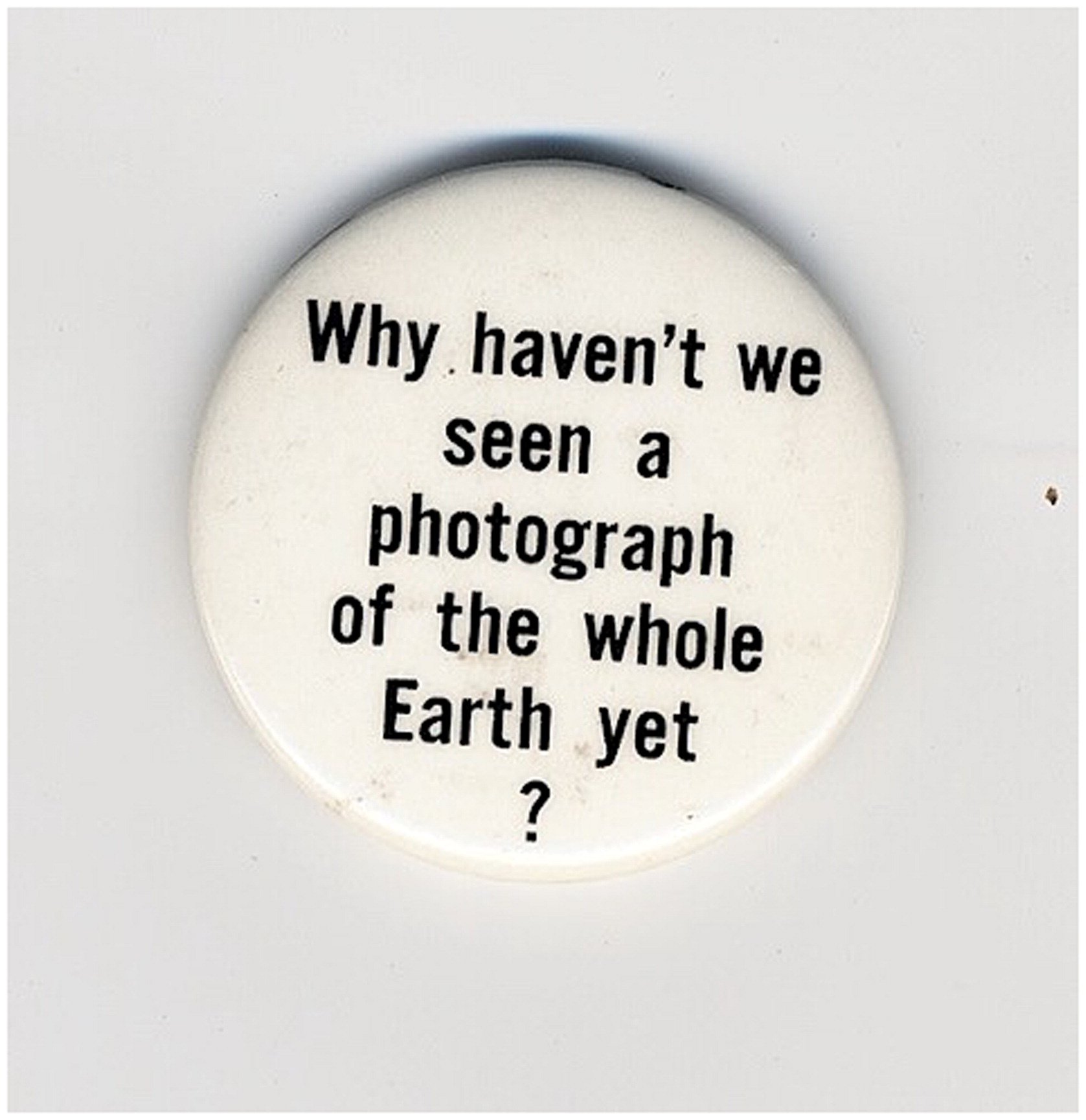
Instead of a humbling mirror, Earth as seen from space was framed as proof of human exceptionalism. “Whole Earth,” celebrated as a unifying image, testified to human technological mastery, thereby raising humans to a godlike position and rendering the Earth a fetished object that was at once revered, protected and claimed.
In appearing “Whole,” the Earth was made knowable, and thus governable, through this reductive lens.



earth figures
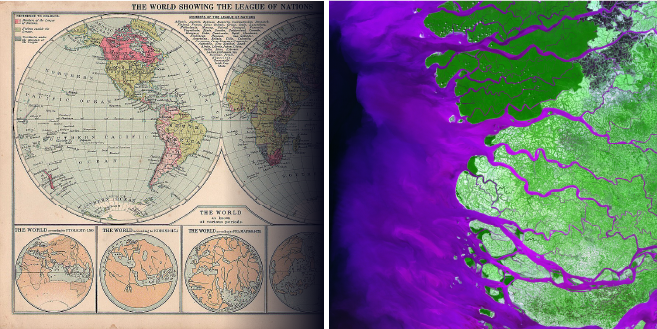
It is crucial to recognise the conceptual figure Whole Earth draws from. The Globe embodies the managerial dream of modernity that depicts the Earth as a smooth, divisible sphere - ready to be mapped, segmented and controlled - and, crucially, places humans at its centre.
In contrast, the Planetary frames the Earth as a field of unfolding geophysical dynamics, displacing humans to the periphery of its impersonal processes. While Whole Earth appeared to reach towards the Planetary, it ultimately sustained the anthropocentric logics of the Globe.

Once marking the edges of medieval maps, these beings warned of what lay beyond knowing. In seeking to order a chaotic cosmos, Whole Earth seemingly tamed these monsters through its illusion of complete knowing, erasing the ‘outside’ – the exterior realm that evades capture and comprehension. And so, comes a positional shift to discredit such universalising erasure.
Rather than gazing at the Earth from a godlike distance, I propose a turn to the outside, to contemplate the skies once more and re-introduce an exterior where mythic unknowns stir.
Here Be Dragons
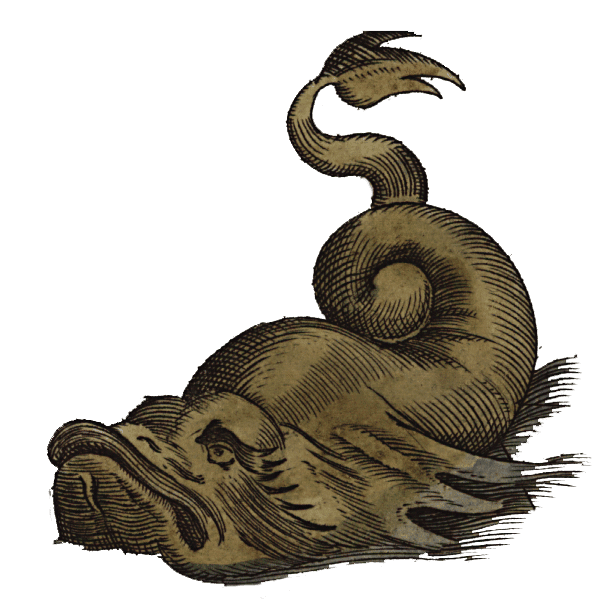
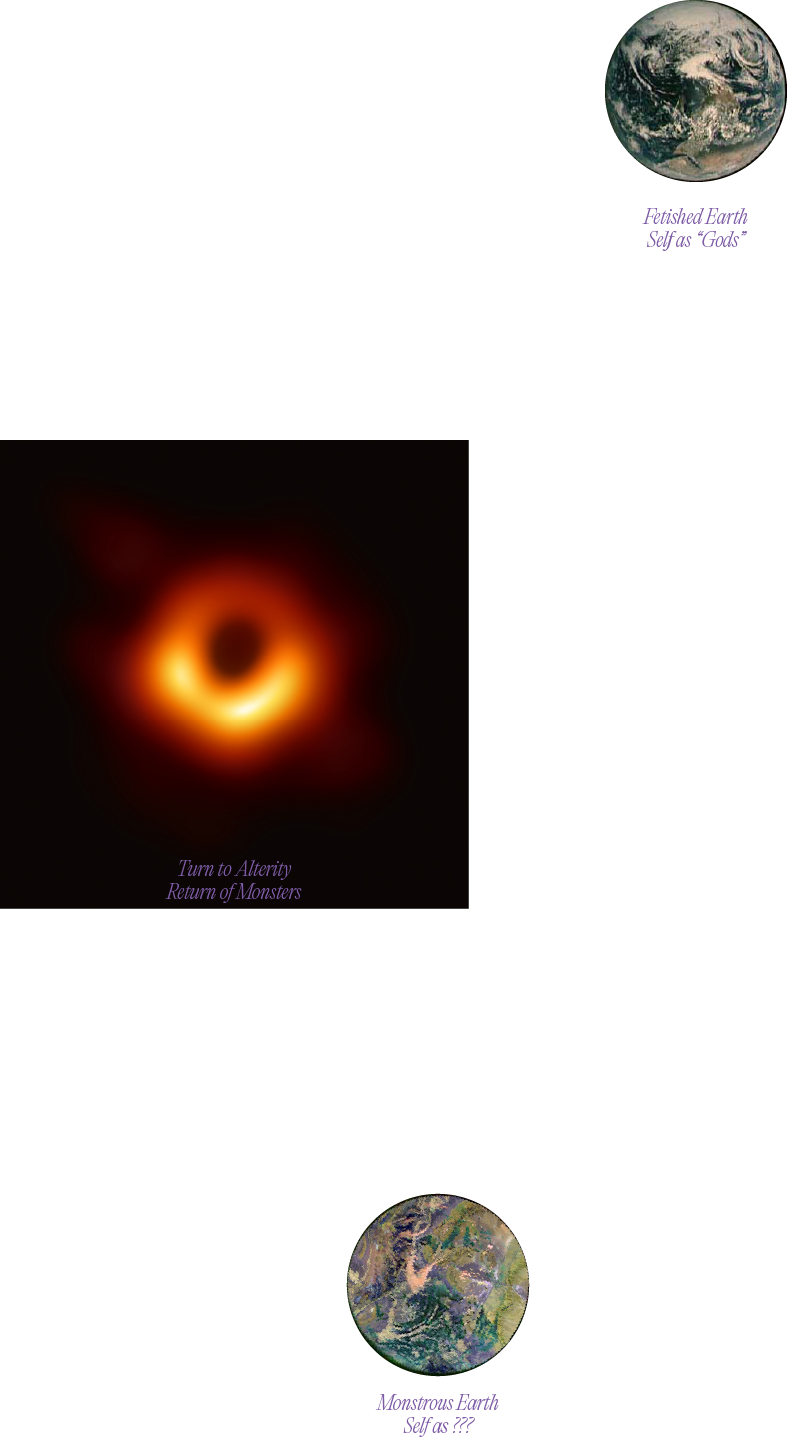
Monstrosity, here, becomes a productive alterity that resists knowing, an opacity that unsettles the smooth encapsulation of “wholeness.” In this turn outward, the blackhole becomes a counter-image to Whole Earth. Unlike the mirror of Whole Earth, the blackhole presents an indifferent void in which humanity cannot be reflected. This productive alienation and disorientation catalysed by the black hole image becomes a necessary movement in destabilizing the geocentric intuition.
Through this bridging movement, how can we mediate alterity within the subjective realm of our Earthbound condition?
Monstrous Earth
The sky tales of a Monstrous Earth become the counter point to the absolute “truths” of Whole Earth. This framing gestures towards the inhuman otherness of the planet, constituted by deep geological and cosmological processes that unfold across temporalities far beyond human comprehension. The lens of monstrosity, the planet becomes a precarious landscape that evades appropriation or mastery. Embracing such a lens invites a fall into its unfathomable complexity, to inhabit a tension that can’t be resolved.
The explicit use of narrative, here, becomes a disruptive force that uses destabilization as a method to disentangle from the crisis of modernity. Encountering the Planetary doesn’t require voyages to the skies but through uncovering the sky tales in our surroundings, populating them with the monstrous to reconfigure how we understand ourselves.
Image Credits:
EHT Collaboration, Geography Realm, Harvard Business Review, IMDb, NASA, National Geographic, National Survey Company, NewSpace Europe, Punch Magazine, The Economist, United States Geological Survey, Whole Earth Index, Wikimedia Commons